
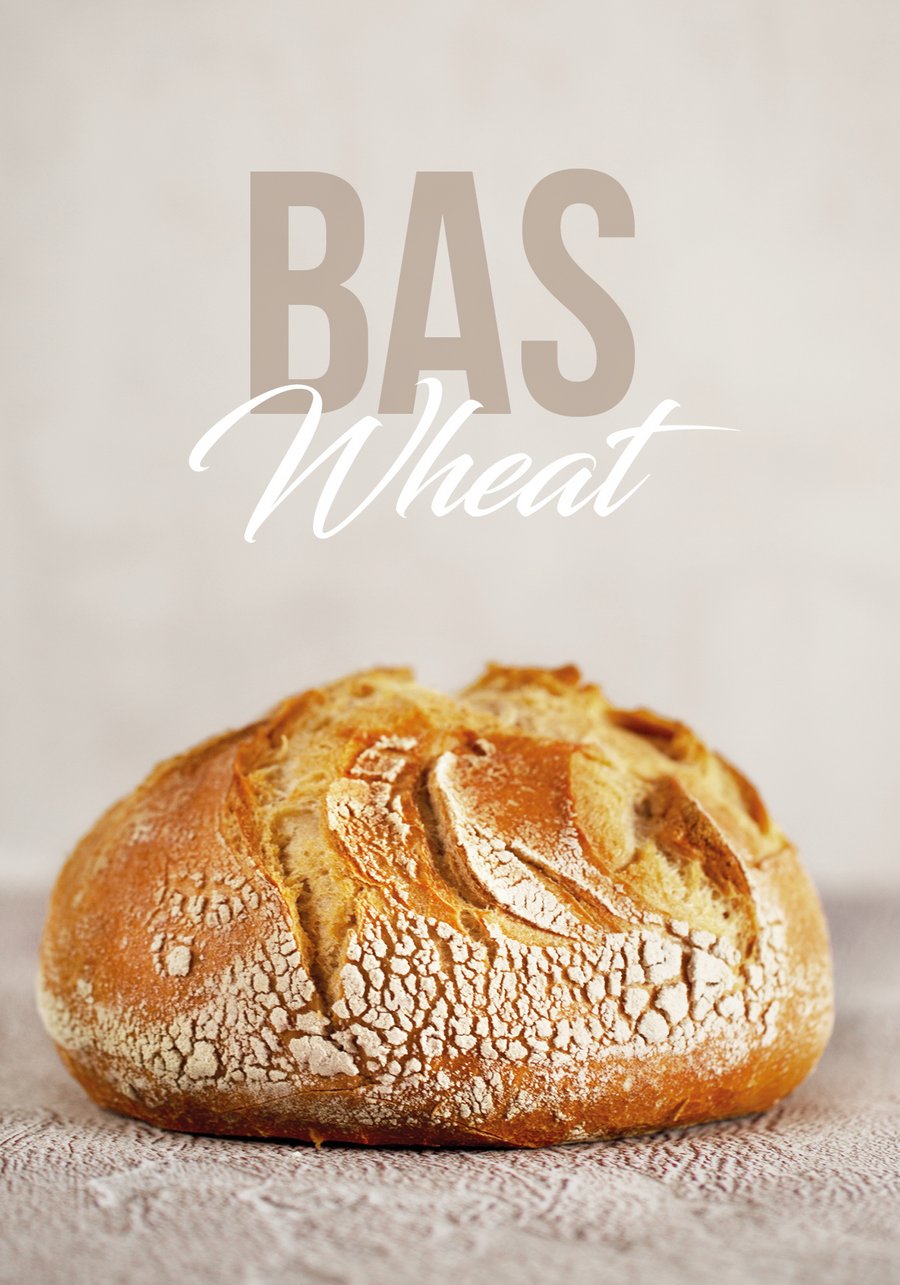
Wheat Sourdough
Tradition & Innovation
Wheat sourdough is a central element in both artisanal and industrial bakery production.
A wide variety of baked goods are produced worldwide using many different types and fermentation methods of wheat sourdough. Despite their diversity, these sourdough processes often pursue very similar objectives.
One of the most important aspects is the improvement of flavour and aroma through acid formation by lactic acid bacteria. In addition, the swelling and hydration of flour components contribute to improved freshness and shelf life. The reduction of pH and the formation of acids also decrease susceptibility to mould growth and rope spoilage (Bacillus subtilis). The use of wheat sourdough further benefits crumb structure and elasticity. The use of wheat sourdoughs without significant leavening power is widespread internationally. In these cases, the focus lies primarily on their influence on flavour and texture. These mostly liquid sourdoughs (dough yield 200 – 220) have an acidity level of between 10 and 15 degrees, and are frequently used in the production of toast bread, sandwich bread, and other wheat-based baked goods.
Wheat sourdoughs that are also used for leavening include the French levain and the Italian lievito madre. Levain has a somewhat firmer consistency (dough yield 170 – 190) and is used in the production of traditional wheat breads in France, while classic Italian sweet yeast bakes such as panettone and colomba are leavened with the mild yet highly active lievito madre.
In San Francisco, a wheat bread with a distinctly tangy flavour is produced, its origins tracing back to French immigrants and their traditional sourdough methods. However, the humid climate of the San Francisco Bay has significantly altered the character of this bread. This transformation is largely due to a lactic acid bacterium known as Lactobacillus sanfranciscensis.
Wheat sourdoughs differ from wheat pre-ferments in several key respects. In wheat sourdoughs, specific starter cultures are deliberately used to achieve the desired acidity. Wheat sourdoughs are also often developed in multiple stages, whereas wheat pre-ferments typically involve just a single stage. Depending on the sourdough process, acidity levels between 7 and 15 degrees can be reached; using wholemeal wheat flours, this can rise to as much as 20 degrees. The higher mineral content of wholemeal flours provides greater buffering capacity, meaning the pH value does not drop as quickly and more acid can be produced.
The quantity of wheat sourdough used is limited by its degree of acidity. The higher the acidity, the lower the proportion of sourdough that can be incorporated into the main dough. Excessive amounts of sourdough lead to slower proving, a dense crumb, reduced loaf volume, and an overly sharp, acidic flavour profile.
Special starter cultures are used to initiate wheat sourdoughs, containing the necessary quantity and composition of lactic acid bacteria. While spontaneous fermentation is possible, it carries the risk of undesirable fermentations and, above all, inconsistent sourdough quality. Some bakeries use a portion of their rye sourdough as a starter, but the composition of lactic acid bacteria differs from that of wheat starters, resulting in a different bread quality compared to using dedicated wheat starter cultures.
In larger bakeries, wheat sourdoughs are often prepared in specialised sourdough systems. To achieve pumpable sourdoughs, dough yields are typically in the range of 200 to 220.
Consistent sourdough – and thus bread – quality requires both analytical and sensory quality control. The flours used for sourdough production must be analysed in the laboratory to ensure consistent enzyme activity. The pH value and degree of acidity of each sourdough batch must be measured to identify fluctuations and respond accordingly. It is also essential to train staff and raise awareness of the link between sourdough management and bread quality.
An efficient and less labour-intensive alternative is the use of dried sourdoughs or sourdough-based acidifiers. Dried wheat sourdoughs are produced through carefully controlled fermentation processes and then dried using various methods, such as drum or fluidised bed dryers. These dried sourdoughs are in powder form, making them easy to dose.
Liquid sourdough acidifiers contain not only fermented sourdough but also acidifying agents such as lactic and acetic acid. Compared to dried sourdoughs, they have a higher acetic acid content, which imparts a robust bread flavour and improved mould resistance.
Both dried sourdoughs and liquid acidifiers offer consistent quality and can also be used in combination with traditional sourdough processes. They are particularly beneficial for long fermentation periods and overnight processes, providing added stability and reliability.
The table provides an overview of the various dried sourdoughs and sourdough-based acidifiers available for wheat and spelt.